%2Ffit-in%2F250x250%2Fguide_websites%2F180306%2Fimages%2F1782797260100logo.jpeg&w=1920&q=100)
/users/e3e8239a-079f-4b87-bb94-9774d027908b/ratecard/4-mr02ho4j.jpg)
%2F300x300%2Fusers%2Fe3e8239a-079f-4b87-bb94-9774d027908b%2Fratecard%2F4-mr02ho4j.jpg&w=256&q=75)
%2F300x300%2Fusers%2Fe3e8239a-079f-4b87-bb94-9774d027908b%2Fimages%2Fmt-pleasant-redfish-catch-2590.jpg&w=256&q=75)
%2F300x300%2Fusers%2Fe3e8239a-079f-4b87-bb94-9774d027908b%2Fimages%2Fmt-pleasant-redfish-catch-2581.jpg&w=256&q=75)
%2F300x300%2Fusers%2Fe3e8239a-079f-4b87-bb94-9774d027908b%2Fimages%2Fmt-pleasant-redfish-catch-2568.jpg&w=256&q=75)
%2F300x300%2Fusers%2Fe3e8239a-079f-4b87-bb94-9774d027908b%2Fimages%2Fmt-pleasant-redfish-catch-2564.jpg&w=256&q=75)
%2F300x300%2Fusers%2Fe3e8239a-079f-4b87-bb94-9774d027908b%2Fimages%2Fmt-pleasant-redfish-catch-2605.jpg&w=256&q=75)
%2F300x300%2Fusers%2Fe3e8239a-079f-4b87-bb94-9774d027908b%2Fimages%2Fmt-pleasant-redfish-catch-2559.jpg&w=256&q=75)
%2F300x300%2Fusers%2Fe3e8239a-079f-4b87-bb94-9774d027908b%2Fimages%2Fmt-pleasant-fish-hooked-up-2449.jpg&w=256&q=75)
%2F300x300%2Fusers%2Fe3e8239a-079f-4b87-bb94-9774d027908b%2Fimages%2Fmt-pleasant-redfish-catch-2597.jpg&w=256&q=75)
%2F300x300%2Fusers%2Fe3e8239a-079f-4b87-bb94-9774d027908b%2Fimages%2Fmt-pleasant-redfish-catch-2613.jpg&w=256&q=75)
%2F300x300%2Fusers%2Fe3e8239a-079f-4b87-bb94-9774d027908b%2Fimages%2Fmt-pleasant-redfish-catch-2640.jpg&w=256&q=75)
6 Hour Morning River Trip Charleston SC Hal Gray
 Charleston, SC
What you will be catching:
 Black Drum
 Redfish
 Sea Trout
 Sheepshead
- 6-hour private inshore fishing trip with Captain Hal Gray
- Target redfish, black drum, trout, and sheepshead in Charleston waters
- All gear, bait, and local expertise included for up to 2 anglers
Trip Pricing and Availabilities:
6 Hour Morning Fishing Trip - Charleston, SC
Charleston's inshore waters offer some of the finest redfish and trout action on the East Coast, and Captain Hal Gray knows exactly where to find them. This 6-hour morning trip gives you serious time on the water to work the tidal creeks, marsh edges, and shallow flats around Isle of Palms and Charleston Harbor. You'll meet at Isle of Palms Marina before sunrise and spend the morning chasing redfish in skinny water while targeting black drum, speckled trout, and sheepshead as conditions allow. With just two anglers maximum, you get personalized attention and plenty of elbow room to cast. All gear, bait, and tackle are provided, so whether you're picking up a rod for the first time or you've been fishing these waters for years, Captain Hal will put you on fish.
What to Expect on the Water
The extended 6-hour format sets this trip apart from shorter outings. You'll have time to adjust as tides change, moving from shallow flats during high water to creek mouths and oyster bars as the tide drops. Captain Hal runs a well-equipped boat that can navigate the skinny water where redfish love to feed, but also handle the choppier conditions near Charleston Harbor when targeting larger drum and sheepshead. The morning start means you'll be fishing during prime feeding times, especially in warmer months when fish move shallow early before the sun gets high. Don't worry about experience level - Captain Hal takes pride in teaching proper casting techniques and reading water, while experienced anglers appreciate his local knowledge of seasonal patterns and productive spots that many guides overlook.
Techniques and Tackle
This is primarily sight fishing and structure fishing using light tackle perfectly suited for Charleston's inshore environment. You'll use live shrimp, cut bait, and artificial lures depending on conditions and target species. When working the flats for redfish, expect to use popping corks and jigs in water so shallow you can often see the fish before you cast. For black drum around oyster bars, you'll drop baited rigs near structure where these bottom feeders cruise for crabs and shellfish. Captain Hal provides quality spinning gear that handles well in the salt, along with a full selection of terminal tackle, leaders, and fresh bait. The boat is equipped with a shallow water anchor system that allows precise positioning without spooking fish, plus all safety equipment and fish cleaning facilities. Polarized sunglasses are essential for sight fishing, and Captain Hal can recommend the best lens colors for Charleston's varying water conditions.
Top Catches This Season
Redfish are the bread and butter of Charleston inshore fishing, and these copper-colored bruisers put up fights that'll test your drag system. Most reds here run 18 to 27 inches - perfect slot fish that hit hard and make blistering runs through shallow water. They're year-round residents, but spring and fall offer the most consistent action when they school up in predictable areas. Black drum provide a different kind of excitement, especially the larger specimens that can top 30 pounds. These powerful fish use their broad tails and hefty bodies to bulldoze toward structure, making for arm-burning fights on medium tackle. They're most active during cooler months and around new and full moon phases when tides run strongest.
Speckled trout add finesse to the mix - these spotted beauties require more subtle presentations but reward skilled anglers with acrobatic jumps and excellent table fare. Charleston's trout fishing peaks from late spring through early fall, with the largest fish often caught in deeper creek bends and around dock pilings during moving water. Sheepshead round out the slam potential with their distinctive black stripes and notorious bait-stealing abilities. These structure-oriented fish gather around bridge pilings, jetties, and oyster bars, especially during their spring spawning runs. Landing a Charleston inshore slam - all four species in one trip - is achievable during the right conditions, and the extended 6-hour format gives you the best shot at pulling it off.
Time to Book Your Spot
Captain Hal's 6-hour morning trips fill up quickly, especially during peak seasons when Charleston's inshore bite is at its best. The longer format means better fish-finding opportunities, more time to learn new techniques, and flexibility to chase whatever's biting hardest on your day. Whether you're planning a father-son fishing adventure, celebrating a special occasion, or just want to experience world-class inshore fishing with a top-rated local guide, this trip delivers the goods. The early morning start and extended time on the water maximize your chances for multiple species and memorable catches. Book now to secure your date and get ready to experience why Charleston's Lowcountry waters have earned their reputation as a premier inshore fishing destination.
Learn more about the species
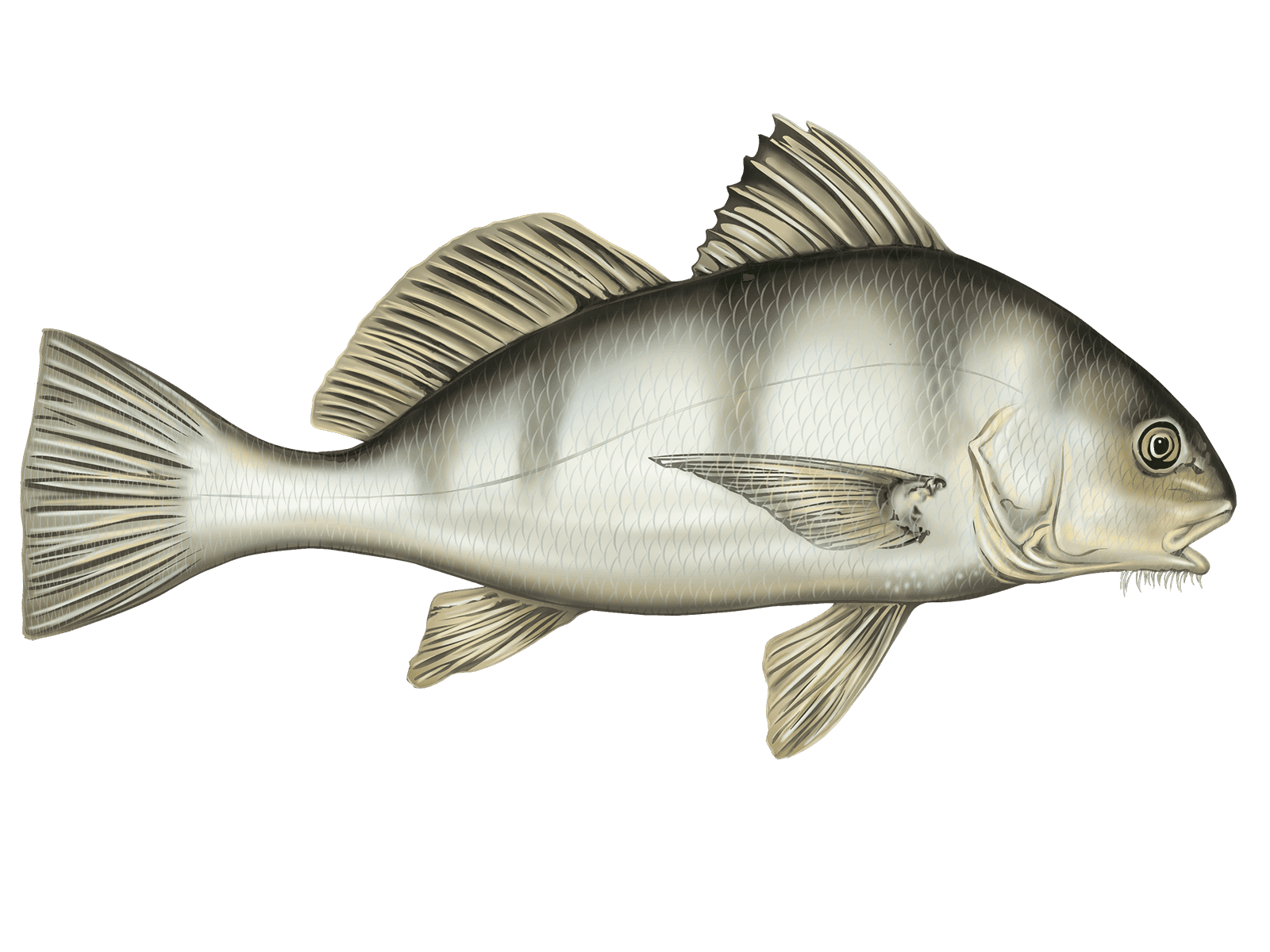
Black Drum
Black Drum are the heavyweights of Charleston's inshore waters, commonly running 5-30 pounds with occasional giants pushing 90. These dark, powerful fish love oyster beds and muddy flats where they crush shellfish with their strong jaws. Spring is prime time when they school up for spawning around shallow creeks and marsh edges. What makes them special is their fight - they'll pull drag and test your gear. The smaller ones under 15 pounds make excellent table fare with sweet, flaky meat, while the big ones are better released. Pro tip: use fresh crab on a Carolina rig and keep your bait right on the bottom - they won't come up for it.
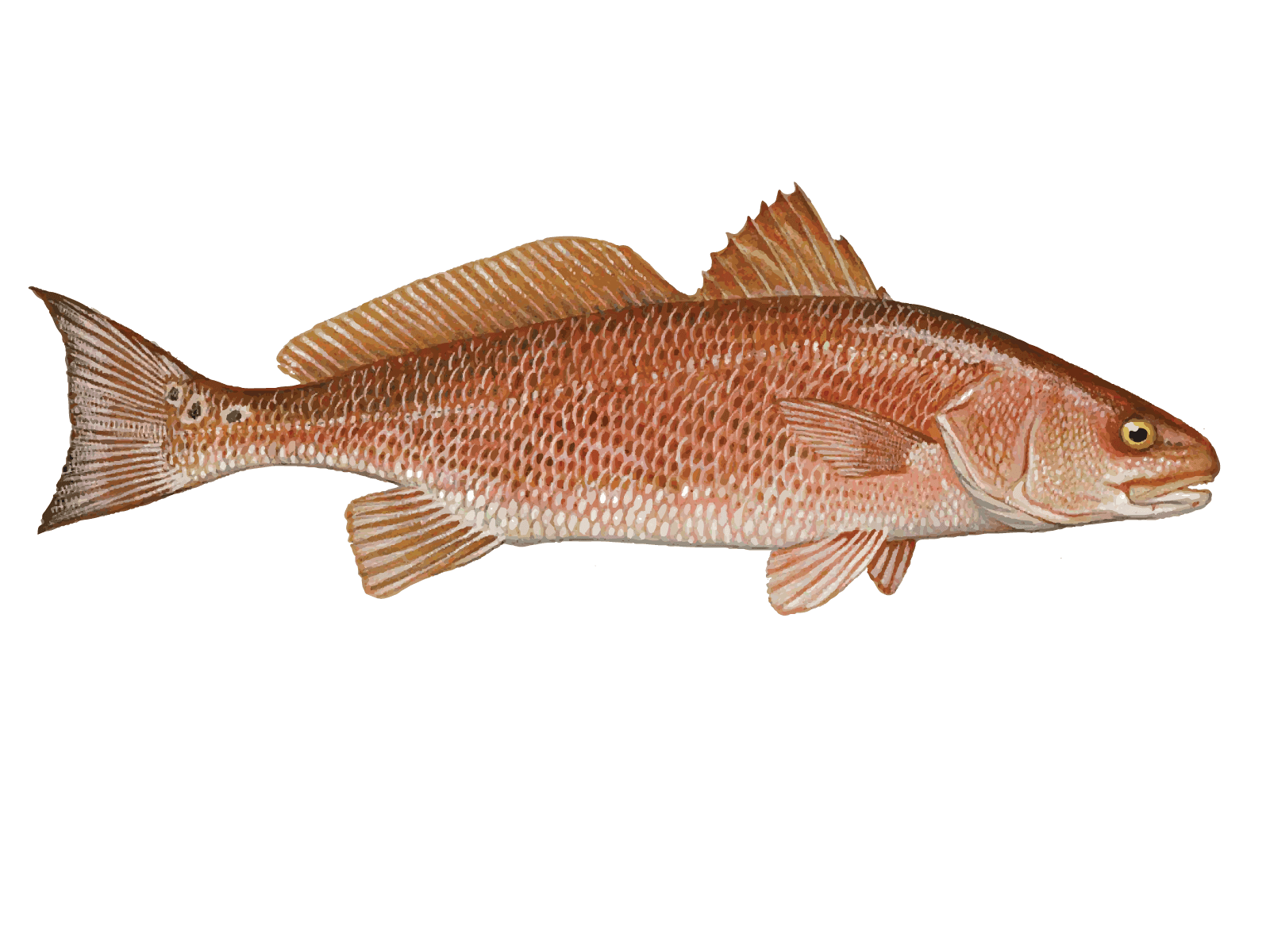
Redfish
Redfish are the stars of Charleston's shallow water fishing, easily spotted by their copper color and distinctive black spot near the tail. These 20-40 inch fish cruise oyster bars, marsh creeks, and grass flats in just 1-4 feet of water - sometimes so shallow their backs show. Fall is prime time when they school up and feed aggressively before winter. What guests love most is sight fishing to tailing reds and the powerful runs they make when hooked. They're also excellent table fare with mild, sweet meat. The key is staying quiet and making long casts with topwater plugs or soft plastics. Watch for nervous water and tail tips - that's your target.
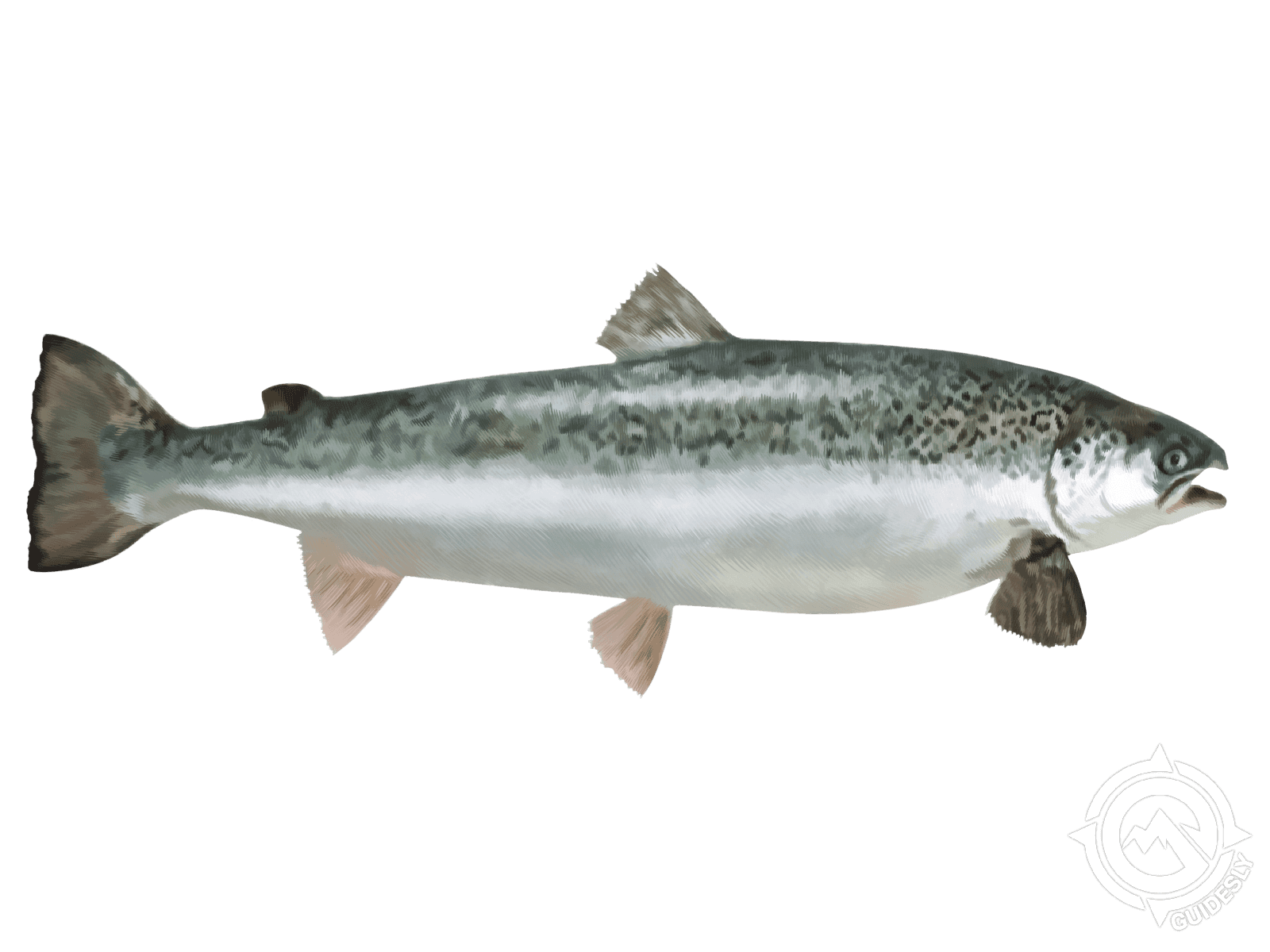
Sea Trout
Speckled Trout are a Charleston favorite, typically running 14-24 inches and fighting above their weight class. These spotted beauties love grass flats and shallow creeks, especially during moving tides. Fall and spring offer the best action when they're actively feeding on shrimp and small baitfish. What makes them special is their delicate, white meat that's perfect for the dinner table - just don't overcook it. Guests love the consistent action and how they hit topwater plugs with aggressive strikes. They school up in winter in deeper channels, making them easier to locate. My go-to trick: work soft plastics on light jigheads over grass beds during dawn and dusk when they're most active.
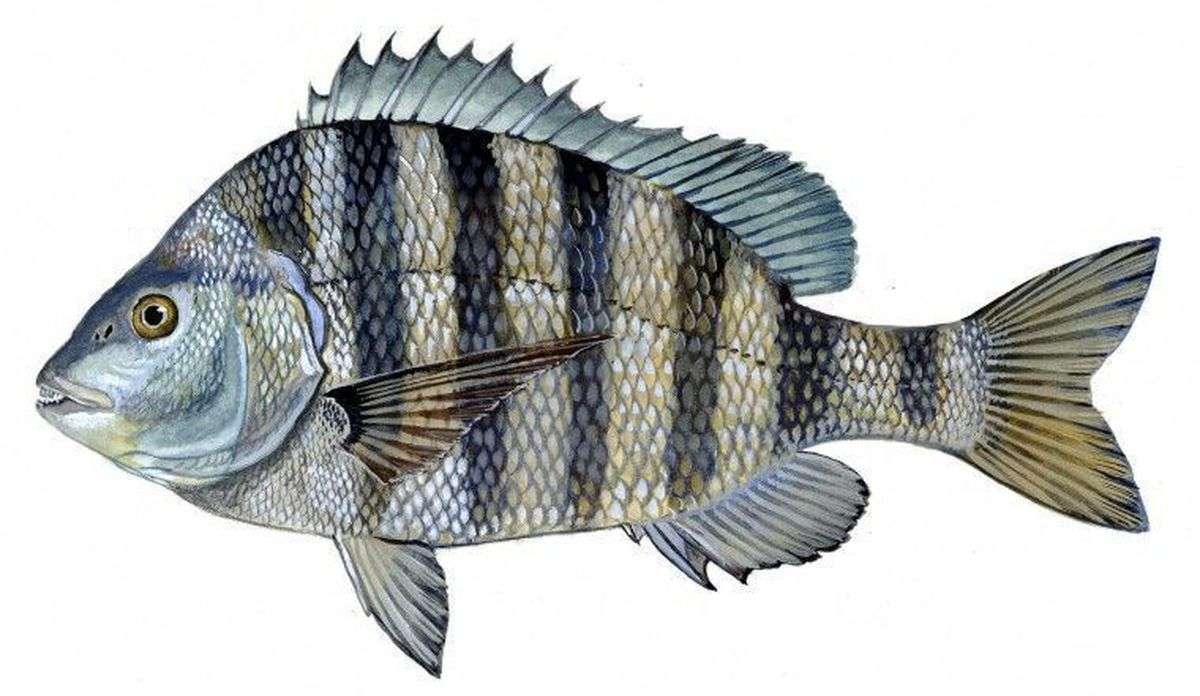
Sheepshead
Sheepshead are the "convict fish" with their distinctive black stripes and human-like teeth. These 1-8 pound tricksters hang around dock pilings, bridge supports, and any structure with barnacles. They're notorious bait thieves, nibbling instead of hitting hard, which makes them a fun challenge. Spring months are best when they're most active feeding. The payoff is worth it - their white meat is some of the best eating you'll find. What guests love most is outsmarting these crafty fish. Here's the key: use small hooks with fresh shrimp or fiddler crab, get as close to structure as possible, and set the hook the second you feel weight. They'll steal your bait all day if you hesitate.
About the Beaver Tail B-2 Skiff Boat
%2F%2Fusers%2Fe3e8239a-079f-4b87-bb94-9774d027908b%2Fvehicle_picture%2Fboat-mr02cxcv.jpg&w=1920&q=75)
Vehicle Guest Capacity: 5
Manufacturer Name: Suzuki
Maximum Cruising Speed: 30
Number of Engines: 1
Horsepower per Engine: 60