%2Ffit-in%2F250x250%2Fguide_websites%2F180306%2Fimages%2F1782797260100logo.jpeg&w=1920&q=100)
/users/e3e8239a-079f-4b87-bb94-9774d027908b/ratecard/2-mr02bhlw.jpg)
%2F300x300%2Fusers%2Fe3e8239a-079f-4b87-bb94-9774d027908b%2Fratecard%2F2-mr02bhlw.jpg&w=256&q=75)
%2F300x300%2Fusers%2Fe3e8239a-079f-4b87-bb94-9774d027908b%2Fimages%2Fmt-pleasant-redfish-catch-2590.jpg&w=256&q=75)
%2F300x300%2Fusers%2Fe3e8239a-079f-4b87-bb94-9774d027908b%2Fimages%2Fmt-pleasant-redfish-catch-2581.jpg&w=256&q=75)
%2F300x300%2Fusers%2Fe3e8239a-079f-4b87-bb94-9774d027908b%2Fimages%2Fmt-pleasant-redfish-catch-2568.jpg&w=256&q=75)
%2F300x300%2Fusers%2Fe3e8239a-079f-4b87-bb94-9774d027908b%2Fimages%2Fmt-pleasant-redfish-catch-2564.jpg&w=256&q=75)
%2F300x300%2Fusers%2Fe3e8239a-079f-4b87-bb94-9774d027908b%2Fimages%2Fmt-pleasant-redfish-catch-2605.jpg&w=256&q=75)
%2F300x300%2Fusers%2Fe3e8239a-079f-4b87-bb94-9774d027908b%2Fimages%2Fmt-pleasant-redfish-catch-2559.jpg&w=256&q=75)
%2F300x300%2Fusers%2Fe3e8239a-079f-4b87-bb94-9774d027908b%2Fimages%2Fmt-pleasant-fish-hooked-up-2449.jpg&w=256&q=75)
%2F300x300%2Fusers%2Fe3e8239a-079f-4b87-bb94-9774d027908b%2Fimages%2Fmt-pleasant-redfish-catch-2597.jpg&w=256&q=75)
%2F300x300%2Fusers%2Fe3e8239a-079f-4b87-bb94-9774d027908b%2Fimages%2Fmt-pleasant-redfish-catch-2613.jpg&w=256&q=75)
%2F300x300%2Fusers%2Fe3e8239a-079f-4b87-bb94-9774d027908b%2Fimages%2Fmt-pleasant-redfish-catch-2640.jpg&w=256&q=75)
3 Hour River Fishing Charleston SC Hal Gray
 Charleston, SC
What you will be catching:
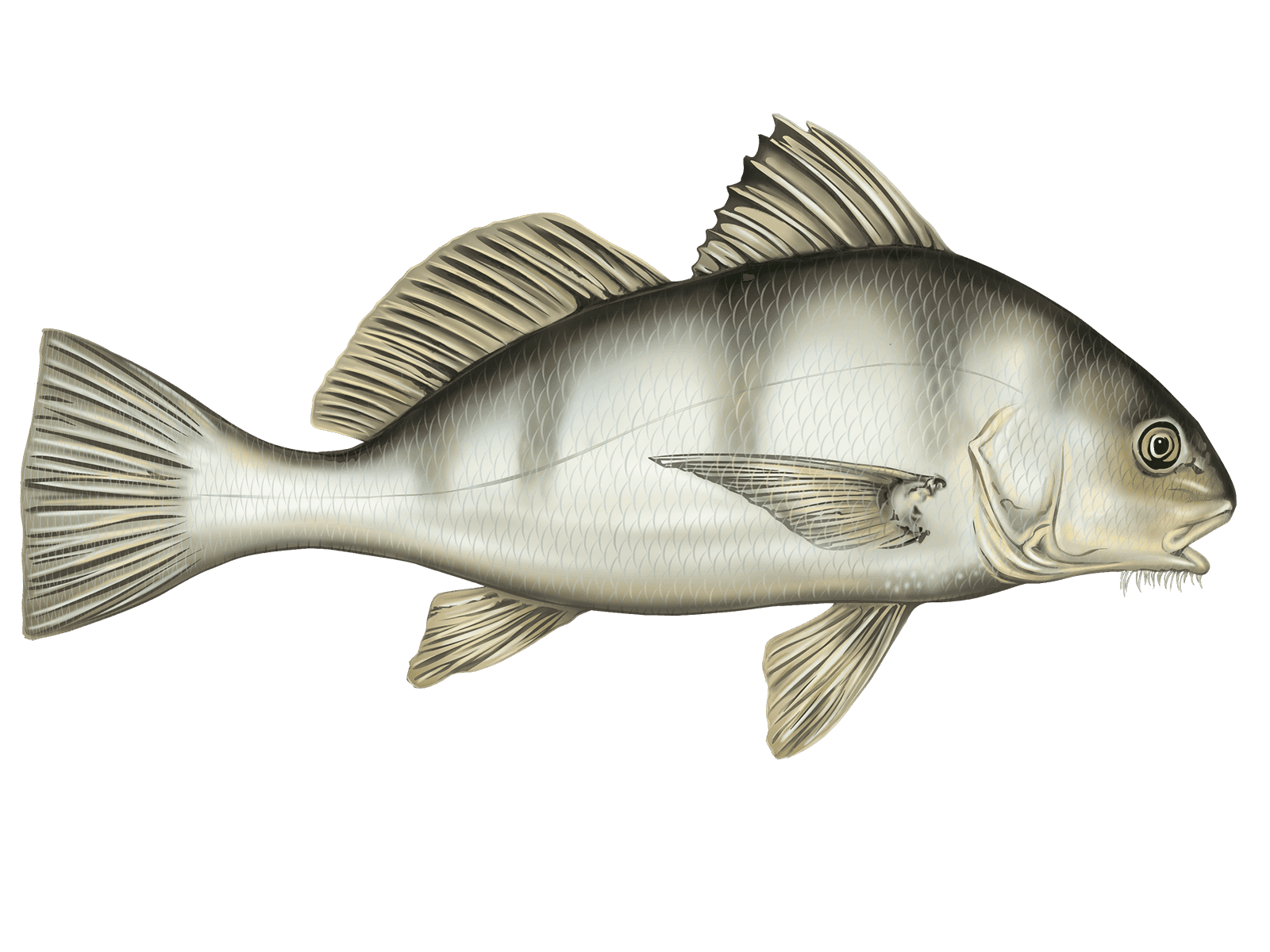
 Black Drum
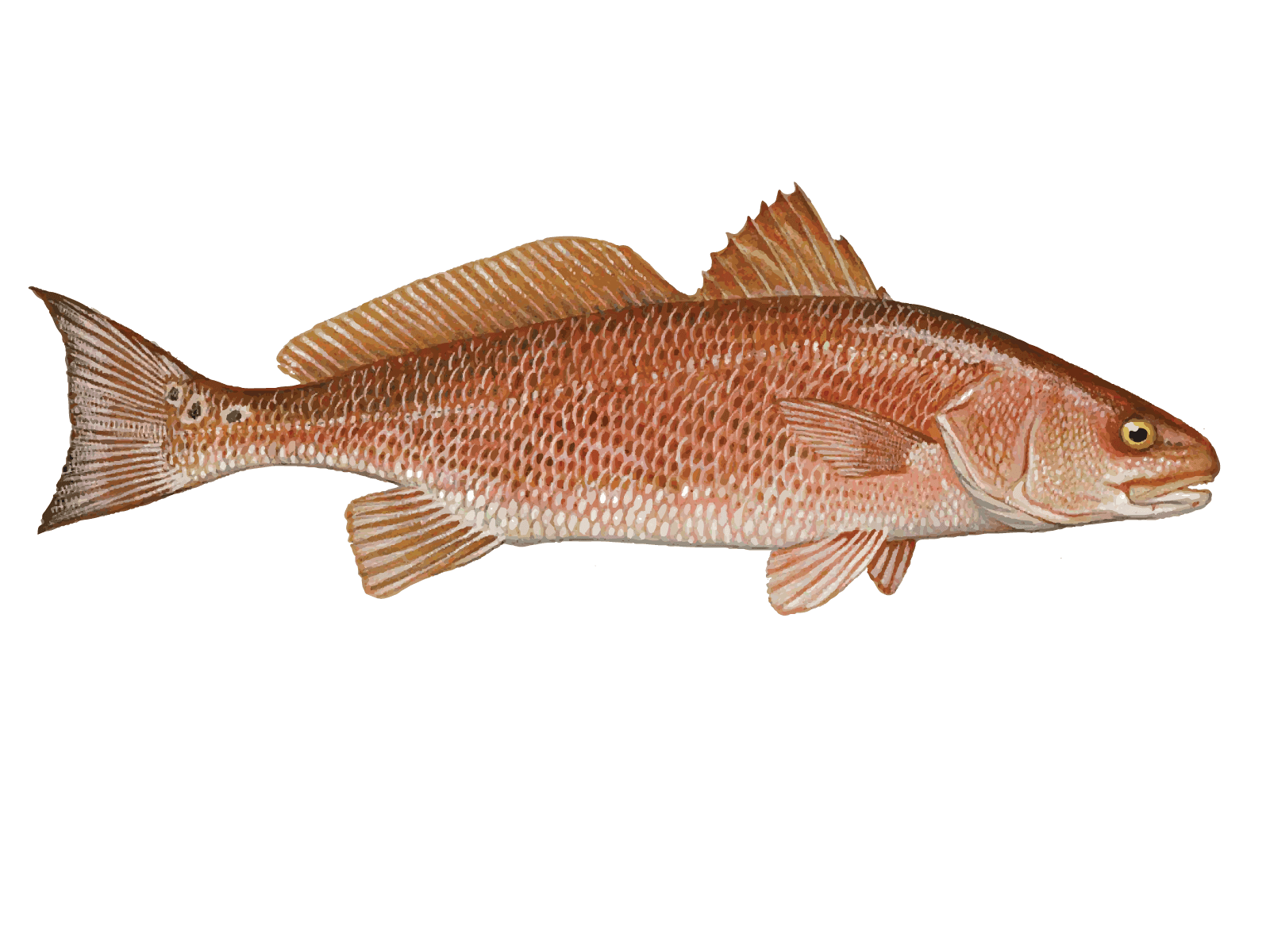
 Redfish
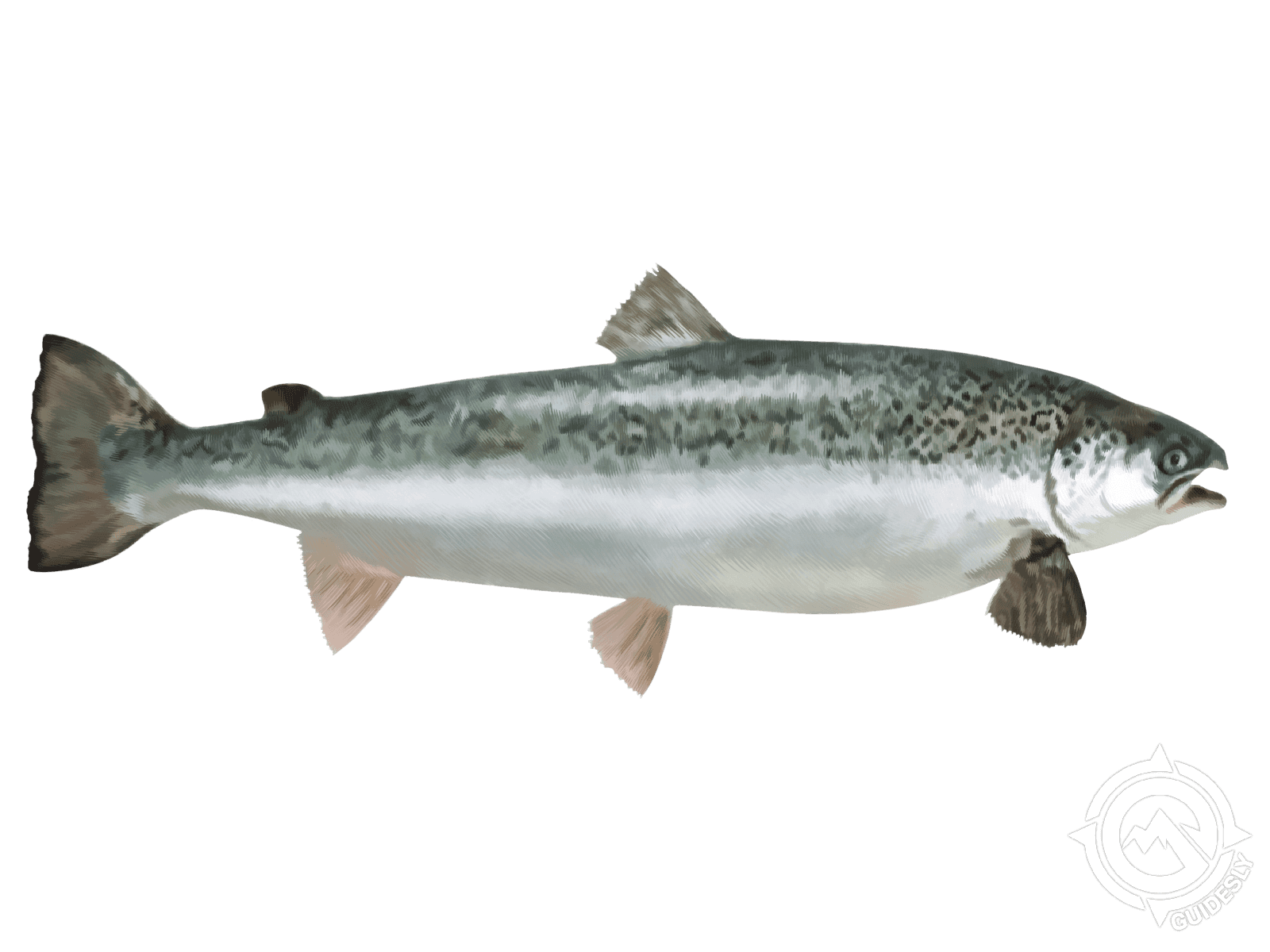
 Sea Trout
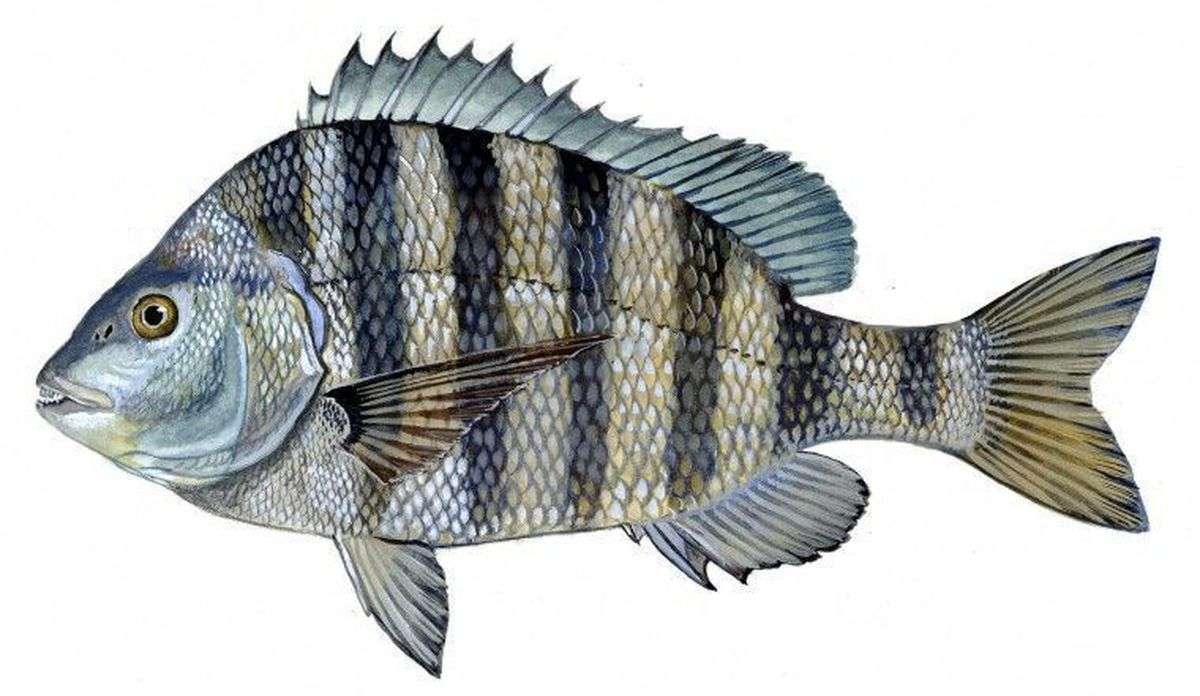
 Sheepshead
- 3-hour private inshore fishing adventure with Captain Hal Gray
- Target redfish, trout, drum, and sheepshead in Charleston waters
- All gear provided for groups up to 2 anglers
Trip Pricing and Availabilities:
Charleston Inshore Fishing with Captain Hal Gray
Picture yourself casting into the maze of tidal creeks and salt marshes that make Charleston's Lowcountry waters some of the most productive inshore fishing grounds on the East Coast. Captain Hal Gray's 3-hour private fishing trips put you right in the heart of it all, targeting redfish, black drum, speckled trout, and sheepshead around Isle of Palms and Charleston Harbor. Whether you're a seasoned angler or picking up a rod for the first time, Hal's got the local knowledge and relaxed teaching style that turns a good day into a great one. With morning and afternoon departures available, you can work this top-rated Charleston fishing experience into any schedule.
What to Expect on the Water
This isn't your typical crowded charter boat experience. You and one other person get Captain Hal's full attention as he navigates the productive flats, oyster bars, and creek mouths that hold Charleston's best inshore species. The trip launches from Isle of Palms Marina, giving you quick access to both the protected back-country waters and the more open areas around Charleston Harbor. Hal reads the tides like a book, positioning you where fish are most likely to be feeding based on current conditions. The relaxed pace means plenty of time for instruction if you need it, or just pure fishing time if you're already comfortable with the basics. Don't worry about gear - everything from rods and reels to bait and tackle is provided, along with the kind of local expertise that only comes from years of working these waters daily.
Techniques & Tackle
Captain Hal keeps things simple but effective, focusing on the techniques that consistently produce fish in Charleston's inshore waters. You'll mainly be working with light tackle spinning gear perfectly suited for the species you're targeting. Depending on conditions and what's biting, expect to use live shrimp, cut bait, and artificial lures around structure like oyster bars, dock pilings, and grass lines. The shallow water fishing means you can actually see a lot of the action - watching redfish cruise the flats or following the nervous water that gives away feeding schools of trout. Hal adjusts tactics throughout the trip based on tide movement and fish activity, so you might start the morning sight-fishing the shallows and finish working deeper creek bends as water levels change. The beauty of this style of fishing is how hands-on it feels compared to deeper water techniques.
Species You'll Want to Hook
Redfish are the bread and butter of Charleston inshore fishing, and for good reason. These copper-colored bruisers average 20-30 inches in local waters and fight harder than just about anything their size. They're year-round residents here, though spring and fall see the biggest numbers as they move into the shallows to feed. What makes reds so exciting is their willingness to eat in skinny water where you can watch the whole fight unfold. Captain Hal knows the grass flats and oyster bar edges where they love to ambush prey, especially during moving tides.
Black drum might not win beauty contests, but they'll test your tackle and patience in the best way possible. These bottom-dwelling powerhouses can range from schoolie-sized fish up to true bulls pushing 40+ pounds. They're most active during cooler months when they congregate around deeper creek bends and channel edges. The fight is pure muscle - no jumps or fancy moves, just steady, head-shaking pressure that keeps you honest. Finding a school of black drum can turn into an action-packed session where everyone on board stays busy.
Speckled trout bring the finesse factor to Charleston inshore fishing. These beautiful spotted fish prefer grass flats and creek mouths, especially during warmer months when they're actively feeding on shrimp and small baitfish. They average 14-18 inches locally, with the occasional "gator" trout pushing over 20 inches and several pounds. What anglers love about specks is their willingness to hit artificial lures and their habit of schooling up during good bites. They're also excellent table fare, making them a favorite target for guests who want to take dinner home.
Sheepshead are the technical challenge of the bunch, known for their light bites and strong runs once hooked. These black-and-white striped fish hang around structure like dock pilings, bridges, and oyster bars, feeding on barnacles, crabs, and other crustaceans. They're most active during cooler months and require a bit more finesse to hook consistently. But land a few sheepshead and you'll understand why they're prized by local anglers - they fight harder than their size suggests and make outstanding eating. Captain Hal knows the specific spots and techniques that produce these structure-loving fish.
Time to Book Your Spot
Charleston's inshore fishing stays productive year-round, but each season brings its own advantages. Captain Hal's 3-hour trips are perfectly timed to hit the prime feeding windows when fish are most active. The private nature of this charter means you get personalized instruction, the flexibility to adjust tactics based on what's working, and the kind of attention to detail that makes the difference between a good trip and a customer favorite experience. Whether you choose morning or afternoon departure, you're getting access to some of the most renowned inshore waters on the Southeast coast with a guide who knows every creek, flat, and honey hole worth fishing. Book your Charleston fishing adventure and discover why anglers keep coming back to these world-class Lowcountry waters.
Learn more about the species
Black Drum
Black Drum are the heavyweights of our inshore waters, typically running 5-30 pounds with some giants pushing 90. These gray-black bruisers love hanging around oyster beds and muddy flats where they crush shellfish with powerful jaws. Spring is prime time when they school up for spawning - makes them much easier to target. They're bottom feeders, so fresh crab or cut bait works best. What guests love is the serious fight they put up, especially the bigger ones. Fair warning though - keep the smaller ones under 15 pounds for the table since the big boys get tough and stringy. My go-to tip: use enough weight to keep your bait pinned to the bottom in current, and don't be shy about getting close to those oyster bars where they feed.
Redfish
Redfish are the rock stars of Charleston's shallow water fishing, easily spotted by their copper-red color and distinctive black spot near the tail. Most slot fish run 18-27 inches, but we see plenty of bull reds over 40 inches in deeper channels. They cruise super shallow flats - sometimes with backs out of water - around oyster beds, grass lines, and creek mouths. Fall and spring offer the best action when they're actively feeding on crabs and shrimp. What makes them special is that explosive topwater strike and the way they peel drag on long runs. They're also great eating in the slot size with mild, sweet meat. My favorite trick: look for nervous water or wakes in shallow areas, then cast a gold spoon or topwater plug ahead of where they're heading. The visual strike will get your heart pumping every time.
Sea Trout
Speckled Trout are the bread and butter of Charleston's grass flats, averaging 14-24 inches with that distinctive spotted silver body. They love shallow bays and creeks, especially around oyster bars and grass beds where they ambush shrimp and small baitfish. Cool mornings and evenings during spring and fall are prime time, though they bite year-round here. What guests love is their willingness to hit topwater lures and the way they fight with those hard head shakes. They're also excellent table fare - soft, white, flaky meat that's perfect for a fish fry. Just don't overcook them or they'll turn mushy. Local trick: work a shrimp-tipped jig slowly along the grass edges during moving water. They'll often hit it on the fall, so stay ready when your lure drops.
Sheepshead
Sheepshead are the convict fish of Charleston waters with their black and white stripes, but don't let their looks fool you - they're crafty bait thieves. Most run 1-8 pounds around dock pilings, bridges, and any structure covered in barnacles. They've got human-like teeth perfect for crushing shellfish, which makes them notorious for stealing your bait. Spring brings the best action when they spawn around inlets and jetties. What makes them fun is the challenge - you need quick reflexes to set the hook before they clean you out. The payoff is sweet, mild white meat that's hard to beat on the table. Pro tip: get your bait tight against structure and set the hook hard the second you feel them nibbling - they're experts at picking bait clean without getting hooked.
About the Beaver Tail B-2 Skiff Boat
%2F%2Fusers%2Fe3e8239a-079f-4b87-bb94-9774d027908b%2Fvehicle_picture%2Fboat-mr02cxcv.jpg&w=1920&q=75)
Vehicle Guest Capacity: 5
Manufacturer Name: Suzuki
Maximum Cruising Speed: 30
Number of Engines: 1
Horsepower per Engine: 60