%2Ffit-in%2F250x250%2Fguide_websites%2F180306%2Fimages%2F1782797260100logo.jpeg&w=1920&q=100)
/users/e3e8239a-079f-4b87-bb94-9774d027908b/ratecard/3-mr02k4bv.jpg)
%2F300x300%2Fusers%2Fe3e8239a-079f-4b87-bb94-9774d027908b%2Fratecard%2F3-mr02k4bv.jpg&w=256&q=75)
%2F300x300%2Fusers%2Fe3e8239a-079f-4b87-bb94-9774d027908b%2Fimages%2Fmt-pleasant-redfish-catch-2590.jpg&w=256&q=75)
%2F300x300%2Fusers%2Fe3e8239a-079f-4b87-bb94-9774d027908b%2Fimages%2Fmt-pleasant-redfish-catch-2581.jpg&w=256&q=75)
%2F300x300%2Fusers%2Fe3e8239a-079f-4b87-bb94-9774d027908b%2Fimages%2Fmt-pleasant-redfish-catch-2568.jpg&w=256&q=75)
%2F300x300%2Fusers%2Fe3e8239a-079f-4b87-bb94-9774d027908b%2Fimages%2Fmt-pleasant-redfish-catch-2564.jpg&w=256&q=75)
%2F300x300%2Fusers%2Fe3e8239a-079f-4b87-bb94-9774d027908b%2Fimages%2Fmt-pleasant-redfish-catch-2605.jpg&w=256&q=75)
%2F300x300%2Fusers%2Fe3e8239a-079f-4b87-bb94-9774d027908b%2Fimages%2Fmt-pleasant-redfish-catch-2559.jpg&w=256&q=75)
%2F300x300%2Fusers%2Fe3e8239a-079f-4b87-bb94-9774d027908b%2Fimages%2Fmt-pleasant-fish-hooked-up-2449.jpg&w=256&q=75)
%2F300x300%2Fusers%2Fe3e8239a-079f-4b87-bb94-9774d027908b%2Fimages%2Fmt-pleasant-redfish-catch-2597.jpg&w=256&q=75)
%2F300x300%2Fusers%2Fe3e8239a-079f-4b87-bb94-9774d027908b%2Fimages%2Fmt-pleasant-redfish-catch-2613.jpg&w=256&q=75)
%2F300x300%2Fusers%2Fe3e8239a-079f-4b87-bb94-9774d027908b%2Fimages%2Fmt-pleasant-redfish-catch-2640.jpg&w=256&q=75)
4 Hour Inshore River Charleston SC Hal Gray
 Charleston, SC
What you will be catching:
 Black Drum
 Redfish
 Sea Trout
 Sheepshead
- 4-hour private inshore fishing with Captain Hal Gray
- Target Redfish, Black Drum, Trout in Charleston waters
- Maximum 2 guests with all gear and equipment provided
Trip Pricing and Availabilities:
4 Hour Charleston Inshore Fishing Adventure
Captain Hal Gray's 4-hour inshore fishing trips are hands-down one of the best ways to experience Charleston's legendary fishing waters. Whether you choose the morning or afternoon departure, you'll spend quality time working the productive tidal creeks, marsh edges, and flats around Isle of Palms and Charleston Harbor. This isn't a rushed trip - you get a solid half-day to really dial in on the fish and learn what makes Charleston's Lowcountry waters so special. Perfect for two anglers who want a more relaxed pace than a quick 3-hour trip but don't need a full day commitment.
What to Expect on the Water
Meeting at Isle of Palms Marina, you'll start your day with Captain Hal who brings decades of local knowledge and all the gear you need. No need to stress about tackle boxes or bait - he's got premium rods, reels, and whatever's working best that day. The beauty of a 4-hour trip is having enough time to hit multiple spots without feeling rushed. Maybe you start working a creek mouth on the incoming tide, then move to some grass flats as the water gets higher, and finish up around dock pilings or oyster bars. Hal reads the conditions and adjusts the game plan, which is exactly what separates a good guide from someone just running boat rides. The vibe is laid-back but focused - perfect for beginners who want to learn proper techniques or experienced anglers looking to pick up some Lowcountry secrets.
Tactics and Prime Fishing Spots
Charleston's inshore fishing is all about understanding the tides and structure. Captain Hal typically runs light tackle setups perfect for sight fishing in shallow water or working the edges where fish ambush prey. You'll likely be throwing live bait like shrimp or mud minnows around oyster bars, or casting artificial lures along grass lines and creek bends. The technique varies with conditions - sometimes it's a slow drift with natural bait, other times it's active casting to visible fish in skinny water. The Isle of Palms area offers incredible diversity within a short boat ride. One minute you're fishing a deep creek channel, the next you're poling across a flat where redfish are tailing in two feet of water. Hal's boat is set up specifically for this kind of fishing - shallow draft, quiet running, and equipped with everything needed to get you into fish whether they're holding deep or cruising the shallows.
Top Catches This Season
Redfish are absolutely the star of the show in Charleston waters. These copper-colored bruisers love the shallow flats and creek mouths around Isle of Palms, especially during moving tides. Most reds you'll encounter run 18 to 28 inches - perfect eating size with plenty of fight. Spring through fall offers the most consistent action, but even winter days can produce when conditions align. What makes redfish so special here is the sight fishing opportunities. There's nothing quite like watching a red drum cruise through clear water, then making the perfect cast and watching that fish absolutely crush your bait. Black drum are the heavyweights of the group, often found around the same structure as reds but typically in slightly deeper water. These fish can get serious - 5 to 15 pounders are common, and the occasional 20-plus pound drum will really test your drag system. They're particularly active during cooler months and love to hang around oyster bars where they crush crabs and shellfish. Speckled trout, or specks as locals call them, are the most finicky but also the most rewarding when you dial them in. These beautiful fish prefer grass flats and drop-offs, especially during warmer months. They're excellent table fare and provide consistent action when you find a school. Morning and evening trips often produce the best speck fishing, as they're more active during lower light conditions. Sheepshead round out the slam and are probably the most challenging to hook consistently. These black-and-white striped fish have incredible eyesight and even better reflexes. They hang around structure like dock pilings and bridge supports, picking off crabs and barnacles. Landing a nice sheepshead requires patience and quick reflexes, but they're some of the best eating fish in Charleston waters.
Why Anglers Keep Coming Back
Captain Hal's approach sets this trip apart from typical charter experiences. He's not just putting you on fish - he's teaching you how to read water, understand tidal movements, and recognize the subtle signs that indicate where fish are holding. Regulars appreciate that every trip feels different because he adapts to conditions rather than running the same spots regardless of what's happening. The 4-hour timeframe hits a sweet spot - long enough to really get dialed in but not so long that you're exhausted by the end. Plus, the 2-person limit means you're getting personalized attention rather than competing with a crowded boat for prime casting spots. Many guests book multiple trips throughout the year because Charleston's fishing changes dramatically with seasons and tides, and there's always something new to learn about these waters.
Time to Book Your Spot
If you're looking for a top-rated Charleston fishing experience that balances learning with action, this 4-hour trip with Captain Hal delivers exactly what serious anglers want. The combination of his local expertise, quality gear, and prime fishing locations around Isle of Palms makes this a customer favorite for good reason. Whether you're trying to master sight fishing for reds, learn to read tidal creeks, or simply want a relaxed day on some of the Southeast's best inshore waters, this trip checks all the boxes. Morning trips often provide calmer conditions and more active fish, while afternoon departures can offer spectacular scenery as the day winds down. Either way, you're getting world-class fishing in one of the most beautiful settings on the East Coast.
Learn more about the species
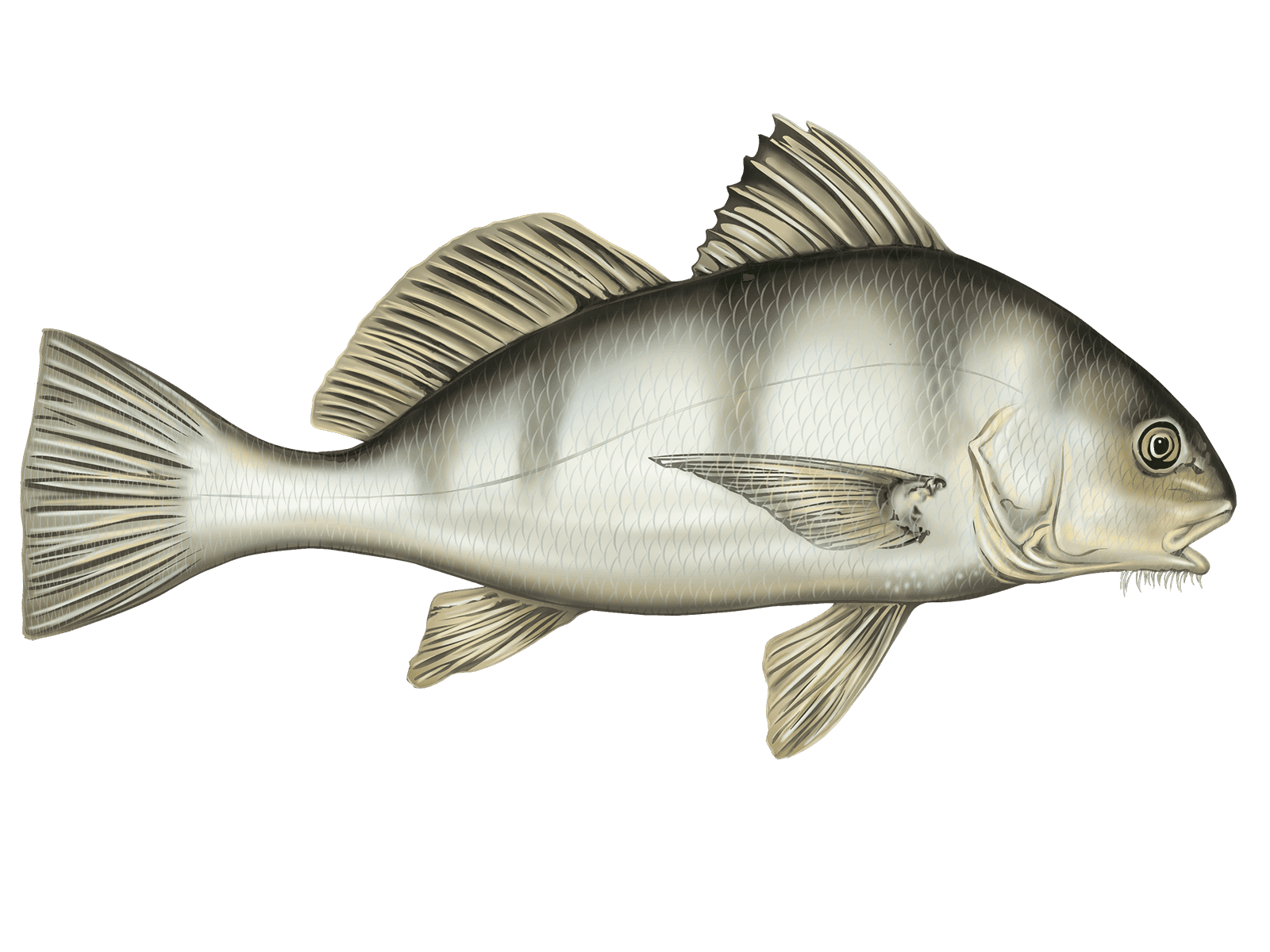
Black Drum
Black Drum are the heavyweights of our inshore waters, typically running 5-30 pounds but capable of hitting 90+ pounds. These powerful fish cruise oyster beds and muddy flats using their crushing jaws to demolish crabs and shellfish. You'll find them in brackish creeks and marsh edges year-round, but spring brings the best action when they school up for spawning. What makes them special is their fighting power - they'll test your drag and make long, stubborn runs. The smaller ones under 15 pounds make great table fare with firm, white meat. Here's a local trick: when you feel that telltale drumming vibration through your rod, that's your cue to set the hook hard. Use fresh crab on the bottom and be patient - these fish take their time but reward persistence with memorable fights.
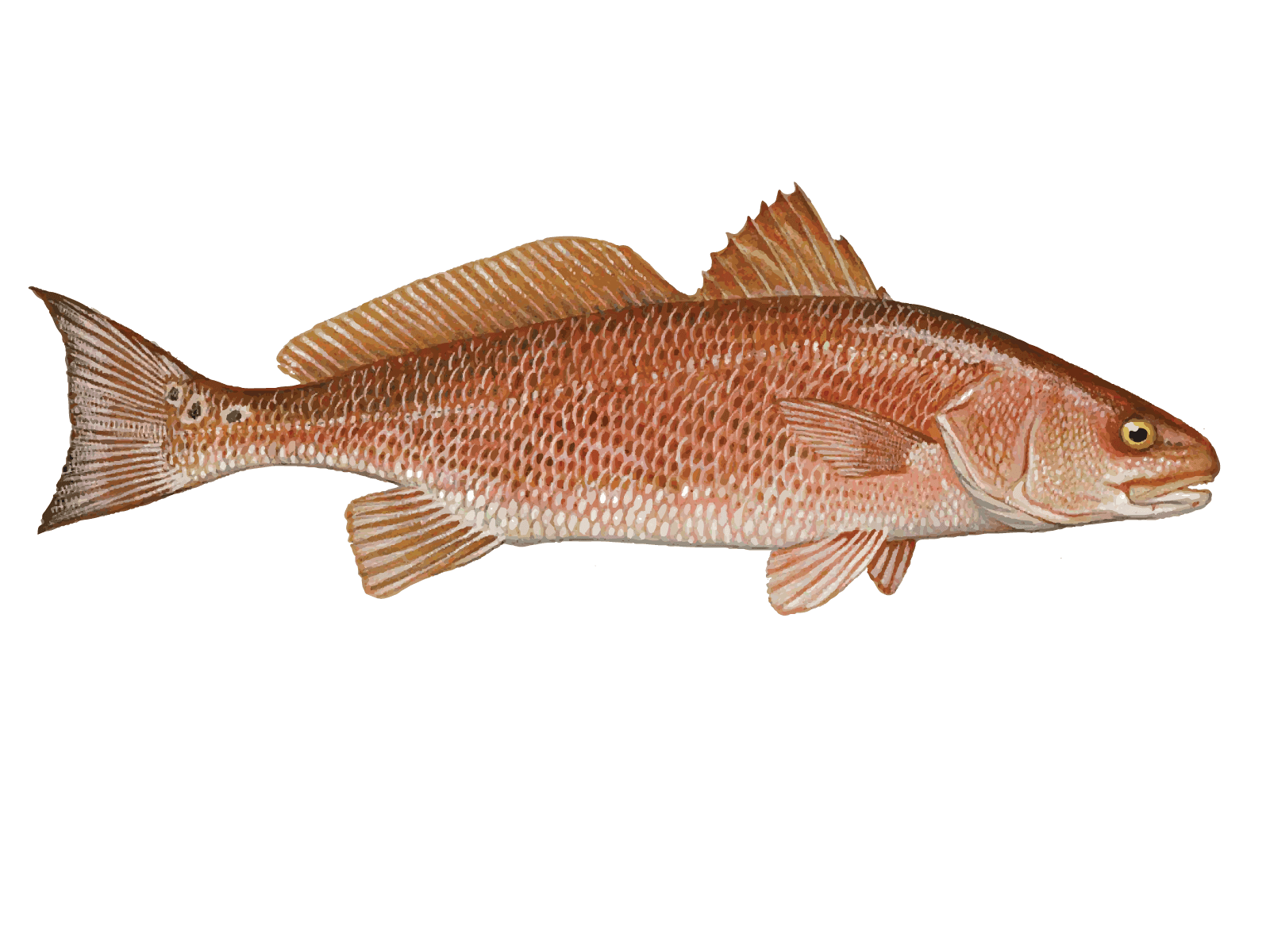
Redfish
Redfish are the crown jewel of Charleston's shallow water fishing, easily recognized by their copper-bronze color and distinctive black spot near the tail. Most fish we target run 20-35 inches, but these bruisers can push 50 pounds offshore. They love super shallow flats where you'll see their backs breaking the surface, along with oyster bars and marsh grass edges. Year-round fishing is solid, but fall and spring offer peak action when they're most aggressive. What makes them special is the visual fishing - watching a red's wake push through 18 inches of water before smashing your topwater lure never gets old. They fight like freight trains and make excellent table fare when kept within slot limits. Here's the deal: approach quietly and cast past where you think they are. Reds spook easily in skinny water, so stealth beats power every time.
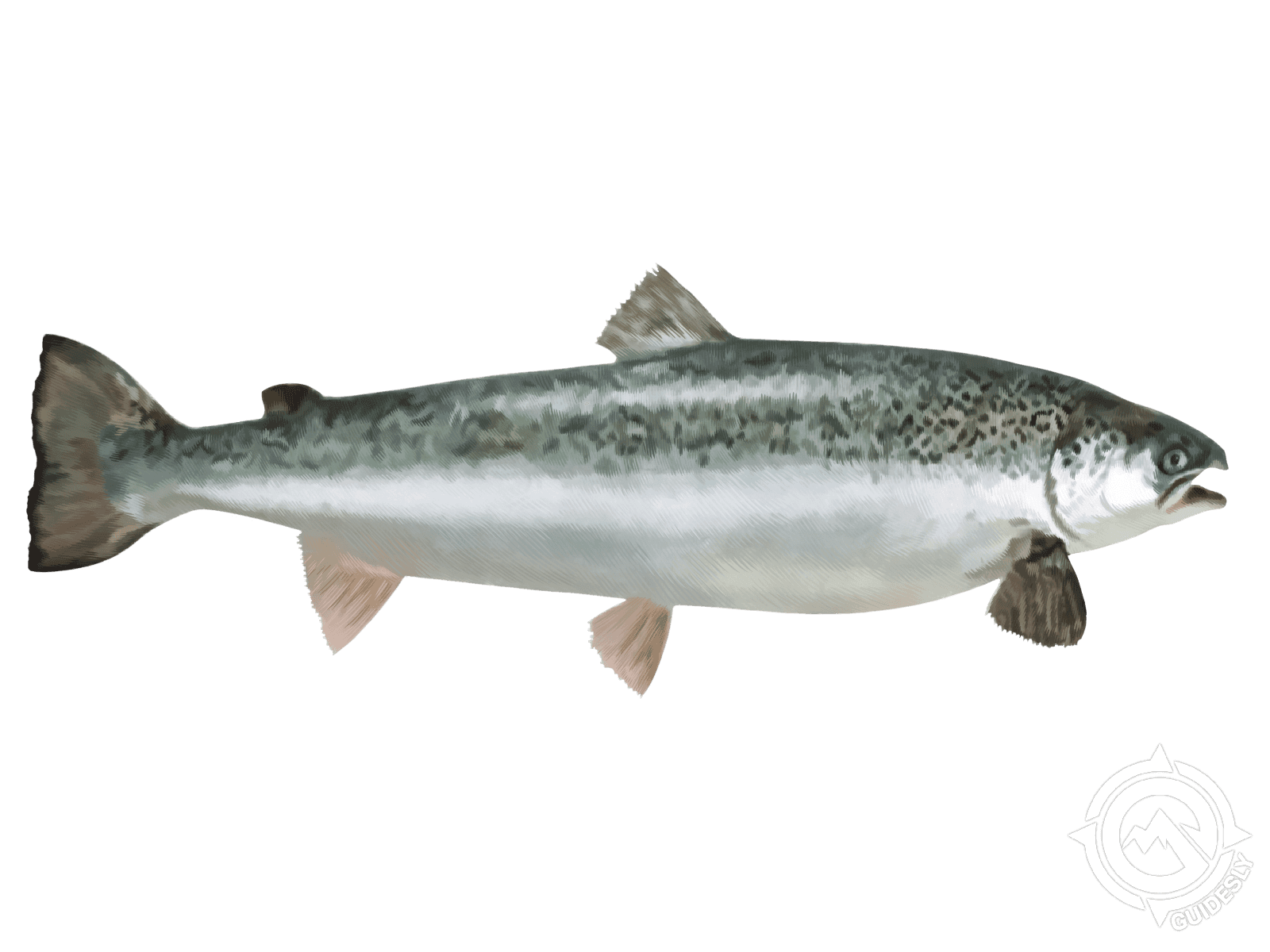
Sea Trout
Speckled Trout are the bread and butter of Charleston inshore fishing, typically running 14-24 inches and 1-5 pounds. These silvery, spotted fish love grass flats and shallow creek mouths where they ambush shrimp and small baitfish. They're most active during cooler months when water temps drop, and low-light periods like dawn and dusk produce the best bite. What guests really enjoy is their willingness to hit topwater lures - there's nothing quite like watching a trout explode on a surface plug in knee-deep water. The meat is tender and flaky with a mild flavor, but don't overcook it or it gets mushy. Local secret: work your lure slowly through the grass beds and listen for that distinctive popping sound they make when feeding. When you hear it, you know you're in the right spot. A light jig with a shrimp tail works magic here.
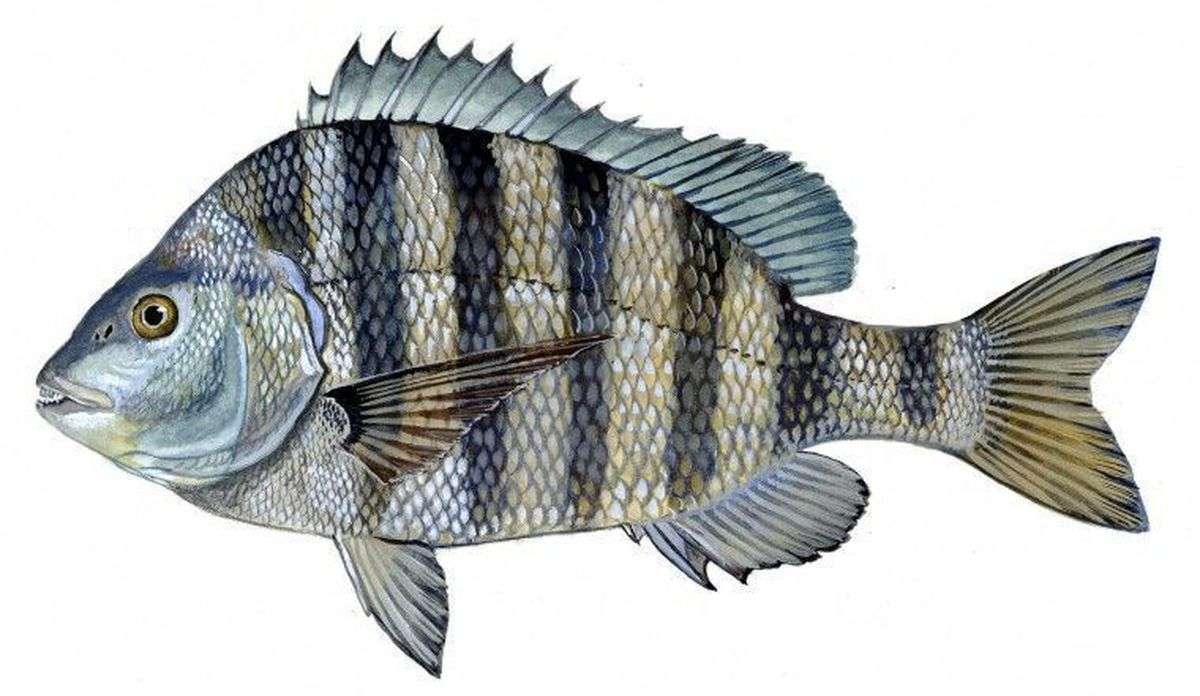
Sheepshead
Sheepshead are the "convict fish" with their distinctive black stripes and human-like teeth. Most run 1-8 pounds and 14-20 inches, but don't be surprised if you hook into a 20-pounder around Charleston's dock pilings and bridge structures. These crafty fish are notorious bait thieves, using those teeth to carefully pick at your offering. Spring spawning season from February through April gives you the best shot at them when they gather in big numbers. Guests love the challenge - they're like playing chess with a fish that has opposable thumbs. The payoff is sweet, flaky white meat that's hard to beat on the dinner table. Pro tip: get your bait tight to structure and when you feel that subtle nibbling, don't wait - set the hook aggressively. They'll steal your bait all day if you let them.
About the Beaver Tail B-2 Skiff Boat
%2F%2Fusers%2Fe3e8239a-079f-4b87-bb94-9774d027908b%2Fvehicle_picture%2Fboat-mr02cxcv.jpg&w=1920&q=75)
Vehicle Guest Capacity: 5
Manufacturer Name: Suzuki
Maximum Cruising Speed: 30
Number of Engines: 1
Horsepower per Engine: 60